What is CPI? Explained Simply
Understanding CPI Basics: What Is the Consumer Price Index?

Definition of CPI in Simple Terms
The Consumer Price Index, or CPI, is like a shopping receipt for the entire country. It measures how much prices change over time for things we buy every day. When you hear news about “inflation at 3%,” they’re talking about CPI.
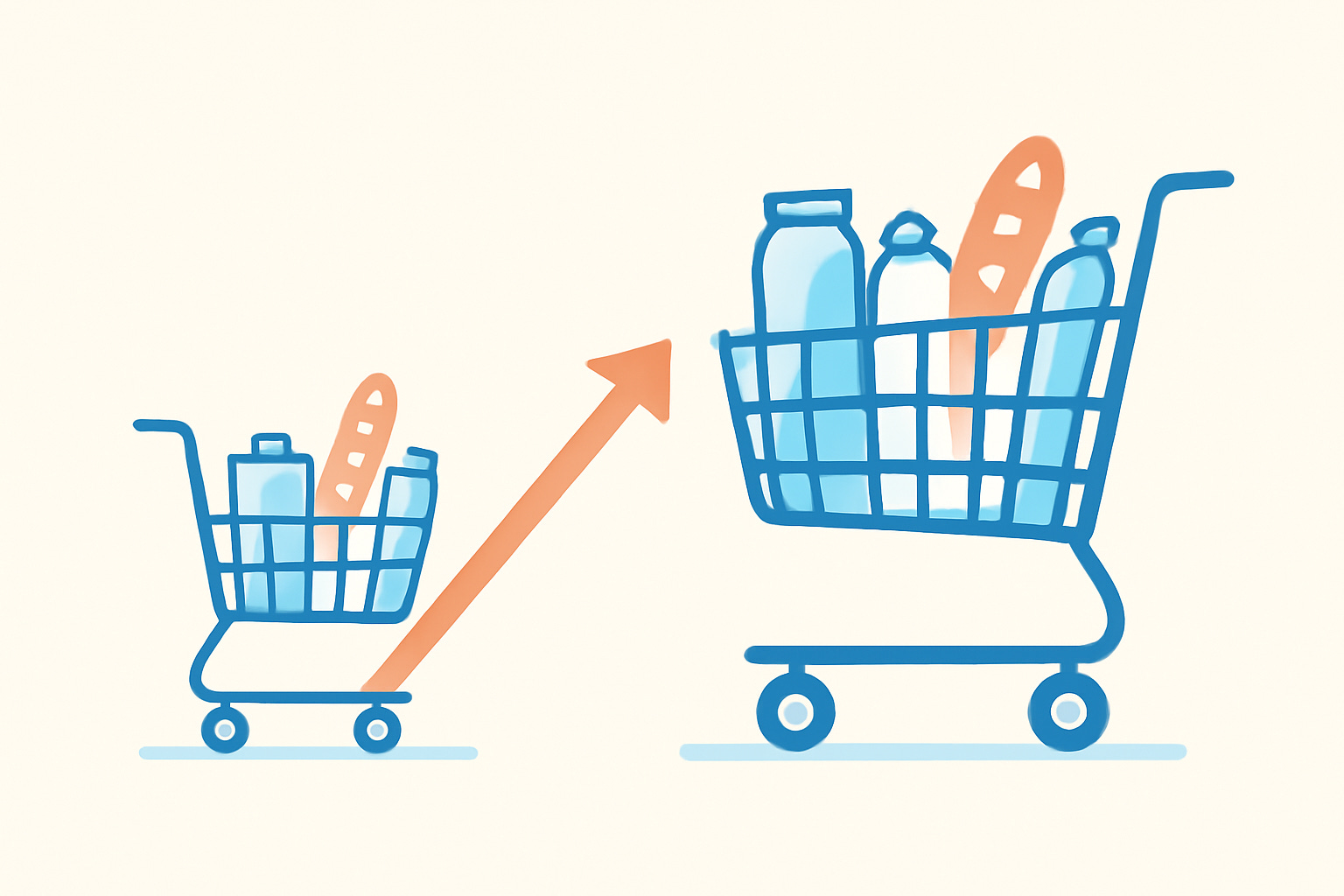
Think of CPI this way: imagine tracking the cost of your regular grocery list month after month. If that total keeps going up, you’re experiencing inflation. The CPI does exactly this but on a much larger scale. It tracks thousands of items Americans regularly buy and calculates the average price change as a percentage.
For example, if CPI rises by 2% over a year, it means what cost you $100 last year now costs about $102. This simple percentage makes it easy to understand how prices are changing across the economy.
The History and Purpose of CPI
CPI wasn’t invented just to make news headlines. It was born out of necessity during World War I when the government needed a reliable way to adjust wages as prices rose rapidly. Workers needed pay that kept up with rising costs, and employers needed a fair standard to base those increases on.
The modern CPI we use today evolved from earlier measurements developed in the 1940s. Over decades, economists have refined how CPI is calculated to make it more accurate and useful.
The main purpose of tracking CPI is straightforward: to provide an objective yardstick for measuring price changes throughout the economy. Without CPI, we’d have no consistent way to track inflation over time or compare price changes across different periods.
Types of CPI Measurements
Not all CPI numbers are the same. There are several versions that serve different purposes:
CPI-U: This is the most commonly reported version. It measures price changes affecting urban consumers, covering about 93% of the US population.
CPI-W: This narrower measure focuses only on urban wage earners and clerical workers, representing about 29% of Americans. It’s used to calculate Social Security benefit adjustments.
Core CPI: This version excludes food and energy prices because they can swing wildly from month to month. By removing these volatile elements, Core CPI gives a clearer picture of long-term inflation trends.
The ‘Basket of Goods’ Explained
The CPI doesn’t track every single product in existence.
Instead, it uses what economists call a “basket of goods and services” – about 80,000 items Americans typically buy, grouped into major categories like:

Housing (rent, utilities)
Food and beverages
Transportation (cars, gas, public transit)
Medical care
Education
Recreation
This basket isn’t fixed forever. The Bureau of Labor Statistics regularly updates it to reflect changing consumer habits. For example, smartphones weren’t in the basket 20 years ago, but they’re certainly included now.
Each item in the basket is given a different weight based on how much of the average household budget it consumes. Housing typically gets the largest weight because it’s the biggest expense for most families. This weighting system ensures the CPI accurately reflects typical spending patterns of American households.
Why CPI Matters: Real-World Impact on Your Life
How CPI Affects Your Purchasing Power
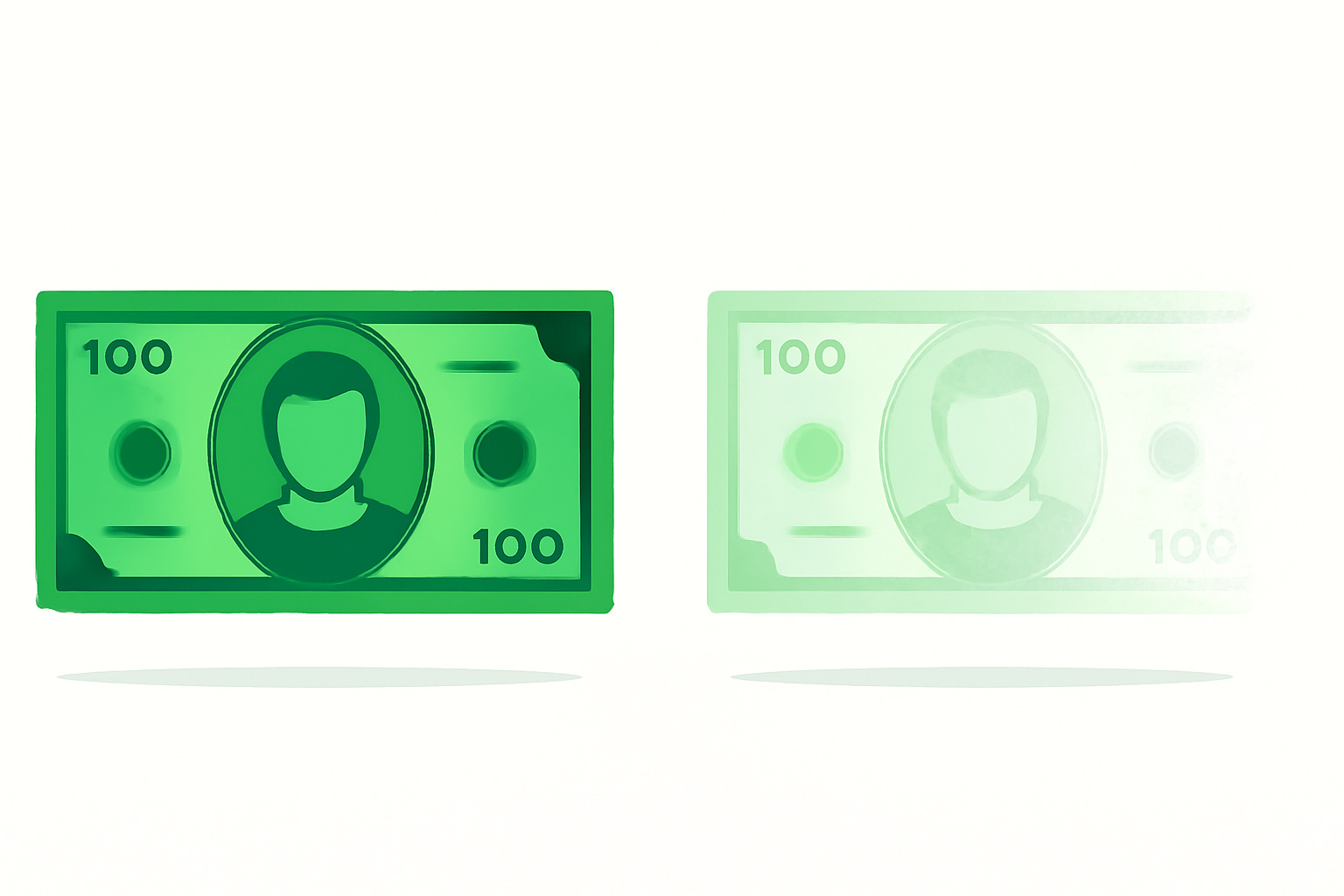
The Consumer Price Index (CPI) directly affects how far your money goes. When the CPI rises by 5%, that $100 bill in your wallet effectively shrinks to $95 in buying power.
This invisible drain on your finances happens without any physical change to your money.
Think about your morning coffee. If it cost $3 last year but $3.30 today, you’re experiencing CPI changes firsthand. These small increases add up across everything you buy – groceries, gas, housing, and healthcare.
CPI serves as a reality check for your paycheck too. Got a 3% raise this year? Great! But if CPI increased by 4%, you’re actually losing purchasing power despite earning more dollars. This measurement helps you understand if you’re truly getting ahead or falling behind financially.
By tracking CPI over time, you can see how prices have changed across decades. That $5 movie ticket your parents bought in 1980?
The equivalent today would be over $17 when adjusted for inflation using CPI data.

CPI’s Role in Government Policies and Benefits
Millions of Americans rely on Social Security for retirement income, and these benefits get annual adjustments based on CPI. These Cost-of-Living Adjustments (COLAs) help seniors maintain their standard of living as prices rise. Without CPI-based increases, fixed incomes would gradually buy less and less.
The tax system also uses CPI to prevent “bracket creep” – when inflation pushes your income into higher tax brackets even though your actual purchasing power hasn’t increased. By indexing tax brackets to CPI, the government ensures inflation alone doesn’t increase your tax burden.
Many assistance programs like food stamps (SNAP) and school lunch programs adjust their eligibility requirements based on CPI. This ensures that help reaches those who need it as living costs change.
How Businesses Use CPI Data
Companies constantly watch CPI figures when making strategic decisions about pricing and wages. During periods of rising CPI, businesses might increase employee compensation to maintain workforce purchasing power and morale.
Retailers analyze CPI trends to predict consumer behavior. When inflation accelerates, they might adjust inventory toward necessity items or lower-priced alternatives as consumers tighten their belts.
Many commercial lease agreements include “CPI escalation clauses” that automatically increase rent based on CPI changes. This protects property owners from inflation eroding their rental income.